Hubble Connected for Motorola
- 3.7
- Rating
- 1.00M
- Installs
- Free
- Price

 Analysis by App-foxy
I approached Hubble Connected for Motorola as a practical parenting app rather than as a simple camera viewer. Its main job is to bring compatible Motorola monitoring equipment into one place, so the value depends on how well the app fits the way you already watch over a child, check a room, or manage several connected devices. After spending time with it, I found a tool that can make everyday monitoring more organized, although it is not the kind of app that feels equally polished for every family or every setup.
The app is free to download and is developed by Hubble Connected. It sits in the parenting category, carries an Everyone age rating, and has grown to over a million installs. Its average rating is 3.8 from around 26 thousand ratings, which tells me that many people find it useful while also encountering enough setup, connection, or device-specific friction to keep it from being universally loved.
How the everyday monitoring workflow feels
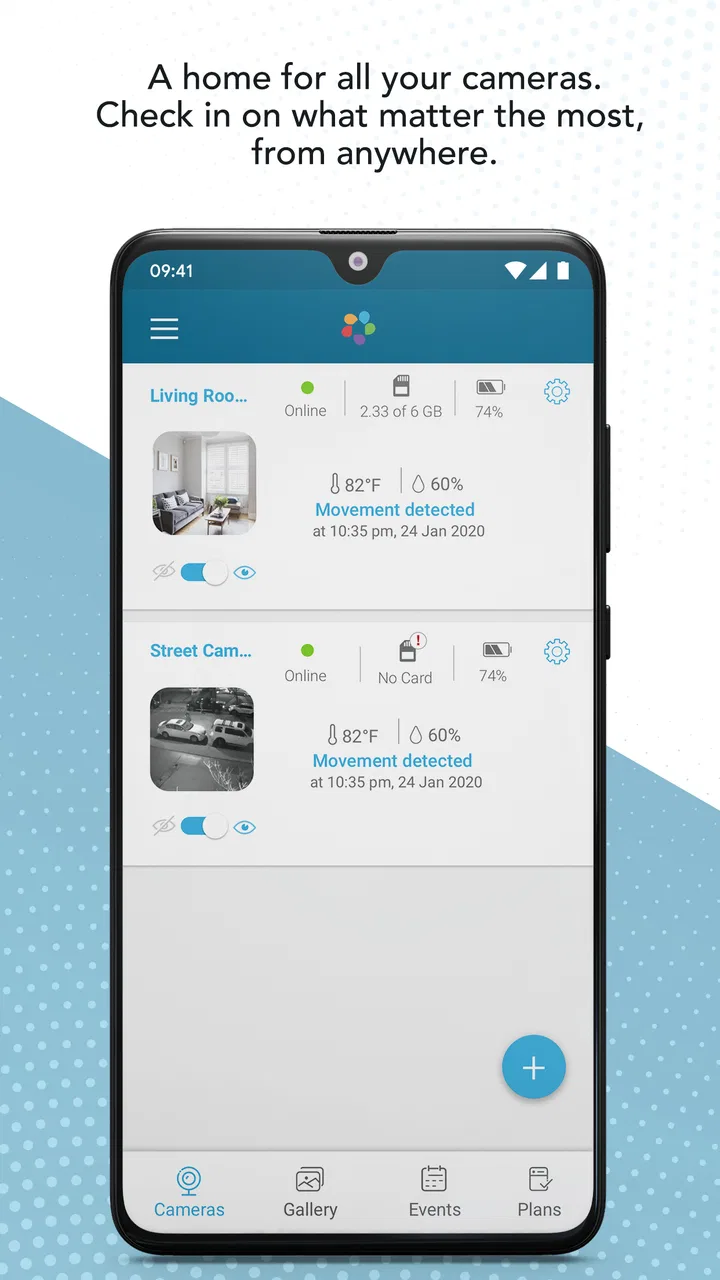
The most sensible way to use Hubble Connected for Motorola is to treat it as the central point for your supported monitoring devices. Instead of checking separate tools for each camera or relying on a mixture of phone notifications and manual checks, I would begin by creating a consistent routine: open the app, confirm the relevant room or device, review the live view when needed, and then return to the same screen whenever a notification or concern comes up.
You May Also Like

 Blood Strike: 2.5 Anniversary
Blood Strike’s Loadouts Turn Every Drop Into a Tactical Gamble
A close look at Blood Strike’s custom loadouts: how fast access to signature weapons reshapes its battle royale rhythm, rewards preparation, and narrows the gap between fights.

 Pandora - Music & Podcasts
Pandora’s Music Is Easy to Start, but Harder to Recover
Pandora’s strength is its low-effort path from a seed to a station. Its weak spot is how much confidence it asks you to place in connection, setup, and quiet recovery.

 8 Ball Pool
 Is Built on Rivalries, Rematches, and Routine
A close look at the rivalries, rematches, shared routines, and unanswered safety questions that turn a quick pool match into a persistent mobile community.

 Samsung Music
’s Quiet Strength Is Playing What You Already Own
Its reach comes less from spectacle than from dependable access to a personal library. That simplicity is both the app’s strongest retention engine and its ceiling.

 AccuWeather: Weather Radar
AccuWeather Review: A Quick, Clear Forecast for Everyday Decisions
For everyday plans, the best forecast is the one you can understand quickly. AccuWeather makes rain timing, radar, and local conditions easy to act on, with a few trade-offs.

 Hill Climb Racing
Why Hill Climb Racing Still Turns Crashes Into One More Run
A tiny car, a bumpy hill and one more upgrade: Hill Climb Racing keeps resurfacing because its simple chaos makes every near-miss feel personal.
More From Our News Desk



That routine sounds basic, but it matters for parents who are tired, busy, or switching between tasks. A monitoring app is useful only when it reduces mental effort. The app’s emphasis on being organized and clutter-free makes sense here. When the household has more than one monitored space, a predictable layout is more valuable than a long list of decorative controls.
A realistic example is an evening nap. I might place a child down, keep the phone nearby, and use the app as a quick check rather than repeatedly opening a browser or walking into the room. If a sound or movement alert appears, I can decide whether a visual check is enough or whether I need to go in. The important benefit is not replacing parental attention; it is reducing unnecessary interruptions while keeping the relevant view close at hand.
I would still avoid treating the app as a substitute for direct supervision. A connected monitor can help me check a room, but it does not remove the need to respond personally, verify unusual situations, or follow safe sleep and child-care practices. That distinction is especially important when a parent is tempted to leave the phone running as if it were a complete safety system.
For a single compatible device, the experience can feel straightforward. With several devices, organization becomes more important. I recommend deciding in advance which camera or room I check first, rather than opening the app and searching randomly. That small habit makes the app more useful during a rushed moment, especially when a child wakes and I want an answer quickly.
What I would check before relying on it
The first practical question is compatibility. Hubble Connected for Motorola is designed around connected Motorola monitoring products, so it is not a general-purpose camera app that can automatically absorb every camera in the home. If I were choosing a new monitor, I would confirm that the exact hardware is supported before building my routine around this app.
The second question is whether the phone and the monitoring device are placed in a sensible everyday arrangement. A parent may keep the phone near the bed, in a kitchen, or on a desk, but the best location is the one where alerts can be noticed without making the phone a constant distraction. I prefer a setup where the app is available for quick checks but does not encourage me to stare at the live feed continuously.
The app supports devices associated with Nest, which can be useful for households already using that ecosystem. I would not assume that this automatically makes every Nest product part of the same experience, though. The practical benefit depends on the particular equipment and how the user wants to combine it with Motorola monitoring hardware. In other words, the integration can be a reason to investigate the app, not a reason to skip checking compatibility.
Another point is account and household consistency. If more than one adult needs access, I would decide who manages the main setup and how the family will use the app before adding devices. Repeatedly changing the arrangement can make a monitoring system harder to understand, particularly when someone is trying to check a room quickly.
Settings that deserve attention
I would spend time reviewing notifications before using the app overnight. A phone that produces too many alerts becomes easy to ignore, while a phone that is too quiet may not draw attention when it matters. The right balance depends on the child, the room, and the family’s routine, so I would test the behavior during the day rather than discovering a problem at bedtime.
Notification settings are also worth considering alongside the phone’s own sound and interruption controls. Even if the app is configured sensibly, the operating system can affect whether an alert is noticeable. I would check both layers and then perform a simple test: trigger a normal event, move the phone to its usual location, and see whether the alert is clear without being unnecessarily disruptive.
The app’s organized approach is most helpful when I avoid turning every available option on at once. I prefer starting with the essentials, learning how the device behaves, and then adding only the controls that solve a real problem. This prevents the common mistake of creating a complicated monitoring routine that looks powerful but is difficult to follow when everyone is tired.
It is also worth checking the app after updates rather than assuming that a familiar setup will always feel identical. The current version is 6.5.70, and software changes can affect menus, device behavior, or the way settings are presented. I would not make a habit of changing everything after an update, but I would quickly confirm that the camera, alerts, and household workflow still behave as expected.
One useful habit is to separate “must notice” events from “nice to know” information. If the app and the connected equipment offer several kinds of notifications, I would reserve the most noticeable alerts for events that genuinely require attention. This is not about making the system silent; it is about preserving trust in the alerts that remain.
Faster patterns for busy parents
The quickest users are not necessarily the ones who explore every screen. They are the ones who create repeatable actions. I would keep the app in an easy-to-reach place on the phone, use the same device order every time, and avoid changing the preferred view without a reason. Familiarity matters more than novelty when a child is crying or a parent is carrying out several tasks at once.
For multiple rooms, I would use a simple verbal or mental naming system that matches the home: nursery, playroom, or bedroom. Clear names reduce hesitation. If the app allows device labels or room organization for the connected setup, I would use names that a partner or babysitter can understand immediately instead of relying on model names or vague labels.
I would also build a short daytime check into the routine. Rather than waiting until the first nighttime alert, I would open the app earlier, confirm that the expected device is visible, and make sure the phone is receiving the kind of notification I want. This is a small preventive step, but it is more reliable than discovering a connection issue when the household is already asleep.
Another efficient pattern is to use the app for confirmation, not constant observation. I might glance at the live view after hearing a sound, then close it once I know what is happening. This keeps the app in its proper role and reduces the temptation to monitor every minor movement. For many parents, that makes the technology less stressful rather than more intrusive.
Families sharing care can benefit from agreeing on a handoff routine. For example, one adult can check the device before leaving the room while another keeps the phone nearby. The app itself does not replace communication between caregivers. Its real advantage appears when everyone follows the same simple process and knows which device or room to open first.
Where the experience becomes less comfortable
My main reservation is that the app’s usefulness is tied closely to the connected hardware and the quality of the home setup. If a family expects a universal smart-home dashboard, this may feel narrower than anticipated. It is better suited to people who are already using compatible Motorola monitoring equipment than to someone looking for a completely device-agnostic solution.
There is also a difference between being free to download and having every possible capability included without additional cost. Hubble Connected for Motorola includes in-app purchases ranging from $5.99 to $149.00 per item. That does not automatically make the app poor value, but I would pay attention to which parts of the experience are available immediately and which may involve an optional purchase. A parent should understand the long-term cost of the chosen setup before depending on a feature every day.
The average rating suggests a mixed experience, and I can understand why a connected parenting app may produce that result. When it works smoothly, it can simplify a routine. When pairing, connectivity, notifications, or device recognition become troublesome, the frustration is much greater because the app is being used during sensitive moments. This is one reason I would test the full workflow before putting it at the center of overnight monitoring.
I would also skip it if I wanted advanced automation, broad compatibility across unrelated brands, or a highly specialized security platform. A dedicated smart-home system may be a better fit for someone managing many kinds of sensors and cameras. Likewise, a family that only wants occasional visual checks may prefer a simpler product with fewer connected features and less setup.
Users on older phones should pay attention to operating-system support. The app requires Android 5.0 or later, so it is not aimed at every legacy device. For most current phones this should not be a major obstacle, but it is still worth checking before planning a hand-me-down phone as the dedicated monitor screen.
Who gets the most from it
I think the strongest audience is a parent or caregiver who owns compatible Motorola monitoring equipment and wants one familiar place to check it. The app is also appealing to households that value a cleaner, more organized experience than juggling separate device controls. Its free entry point makes it easy to try, while the broader connected ecosystem may suit families that are already comfortable managing smart devices.
It is less convincing for someone who has not chosen hardware yet and wants the app to be the deciding factor. In that situation, I would compare the complete package: the monitor, the app’s workflow, the notification behavior, the purchase options, and the number of people who need access. The app should support the hardware decision, not hide it.
I would also be cautious about recommending it to a caregiver who dislikes troubleshooting. Connected products can require patience, especially when a phone, home network, account, and monitoring device all need to cooperate. A technically confident parent may see that as manageable. Someone seeking a completely hands-off experience may be happier with a more self-contained alternative.
My final judgement after building a routine
Hubble Connected for Motorola works best when I use it deliberately: compatible hardware first, a clear room structure second, sensible alerts third, and a short repeatable checking habit after that. Its organized presentation and Nest compatibility give it a distinct place among parenting apps, while the free download makes experimentation accessible.
The real strength is not watching more; it is checking with less friction. That makes the app useful for parents who want practical reassurance during naps, bedtime, or ordinary household tasks. I would recommend it to Motorola monitoring users who are willing to test their setup and keep notifications under control.
I would not recommend choosing it blindly as a universal baby-monitor solution. The hardware relationship, possible in-app purchases, mixed user sentiment, and dependence on a reliable connected setup all deserve attention. Still, when the equipment matches the app and the family builds a consistent workflow, it can become a convenient part of daily parenting rather than another noisy item on the phone.
For me, the decision is simple: if you already use supported Motorola monitoring products and want a central app with an uncluttered feel, it is worth trying. If you need broad brand support, deep automation, or the least possible setup work, I would look elsewhere. Hubble Connected for Motorola is most successful when treated as a focused parenting companion, not as an all-purpose smart-home command center.
FAQs for Hubble Connected for Motorola
01What is Hubble Connected for Motorola and what devices does it support?
Hubble Connected for Motorola is a monitoring app designed to work with Motorola's line of smart home and baby monitoring devices. It allows users to view live video feeds, receive alerts, and manage device settings. The app supports a wide range of devices, including baby monitors, security cameras, and more, ensuring seamless connectivity and control over your home environment.
02How do I set up Hubble Connected for Motorola with my device?
Setting up Hubble Connected for Motorola is straightforward. First, download the app from the App Store or Google Play Store. After installation, create an account or log in. Follow the on-screen instructions to pair your Motorola device by scanning the QR code on the device or entering the device ID. Once paired, you can customize settings and start monitoring.
03What features does Hubble Connected for Motorola offer?
Hubble Connected for Motorola offers a variety of features, including live HD video streaming, two-way audio communication, motion and sound detection alerts, and remote pan, tilt, and zoom control. Additionally, users can access recorded footage with cloud storage options, ensuring they never miss important moments. The app also supports smart notifications for enhanced security.
04Is Hubble Connected for Motorola secure and how is my data protected?
Yes, Hubble Connected for Motorola prioritizes user security and data protection. The app uses encryption to safeguard video streams and personal information. Moreover, it complies with industry standards for data privacy, ensuring that your data is only accessible to you and protected against unauthorized access. Regular updates also enhance security features continuously.
05Are there any subscription fees for using Hubble Connected for Motorola?
Hubble Connected for Motorola is free to download and use with basic features. However, to access premium features such as extended cloud storage, advanced motion detection, and additional smart notifications, a subscription plan may be required. Various plans are available to suit different needs, offering flexibility and enhanced functionality for users.
Pros
- User-friendly interface enhances accessibility.
- Seamless integration with Motorola devices.
- Real-time notifications for immediate updates.
- Customizable settings for personalized use.
- Secure data encryption ensures privacy.
Cons
- Limited compatibility with non-Motorola devices.
- Occasional connectivity issues reported.
- Requires constant internet connection.
- Some features locked behind paywall.
- Notifications can be overly frequent.

Hubble Connected for Motorola
Gallery